


Vetward Course Pathway
Our classes start with the beginning fundamental skills and build on that with each level teaching progressively more difficult veterinary skills. All students must start with the Beginning Fundamentals class.
The Level 2 classes can then be taken in any order up until the level 2 capstone class, which will be a culmination of the skills learned in that level and will serve as an indicator of readiness for the next level classes. After passing the Level 2 Capstone, students can start taking the Level 3 classes, which will present more challenging information and technical skills. The Level 3 classes will need to be taken in order, as they do progress in difficulty level.
We also currently have some stand alone clinics/workshops that are separate sessions and offer specific, hands-on instruction to help ready students for work in the vet field. Additional classes, including another stand alone workshop, are in the planning stage and new classes are frequently added.
Beginning Fundamentals Course


Skills Learned:
- How to approach animals safely
- Proper restraint (how to safely hold animals for procedures)
- Basic use of stethoscope
- How to assess vital signs
- Bandaging techniques
- Syringe handling
** All students must start with this course first **
** Must be 12-18 or contact for exception**
Level 2 Classes:
*Level 2 classes can be taken in any order up until the capstone class*


Suture Lab (Level 2)

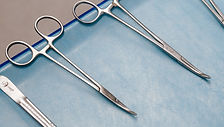
New Skills Learned:
- Intro to basic surgical equipment
- Holding instruments correctly
- Opening and closing needle driver smoothly
- Basic suturing techniques and do's/don'ts
- Inserting and extracting needle smoothly
- How to follow suture pattern diagrams
- Making square knot and surgeon's knot
- Basic interrupted and continuous suture patterns
All students get their own suture pad, basic suture instrument kit and practice suture to keep


Level 2 Capstone


*Must have taken all Level 2 classes prior to taking this class*
New Skills Learned:
- Taking history
- Flow of typical vet appointment
- Reading and using veterinary records
- Presenting vet information
Level 2 skills tested with mock cases:
Each student will have an individual mock case and will have to:
- Take a history
- Use and record vet record
- Take vital signs and document
- Present case
- Restrain for exam
- Suggest diagnostic tests from past Level 2 classes
- Perform diagnostic tests
**Performance in this class will indicate if the student is ready to move on to Level 3 classes (pass/fail format)**
Current Level 3 Classes:
**Must have passed Level 2 Capstone to take Level 3 classes**
**Level 3 classes must be taken in order**
Injection Lab (Level 3-1)
New Skills Learned:

- Anatomical locations for injections in dogs
- Key aspects of handling injectable medication
- Proper handling of syringes and needles
- Reconstituting medication
- Drawing up injectable medications
- Syringe measurement
- Basic pharmaceutical math
- Practice giving injections using models

Veterinary Skill Clinics/Workshops
** These are stand alone sessions - not in a specific course level **
Essential Dog Restraint Skills Workshop
* Must take Beginner Fundamentals Class Prior *
-
Safe, effective restraint is one of the first skills every aspiring veterinary professional should master.
-
Strong restraint skills are essential for safe patient handling and effective veterinary care.
-
Developing proficiency in proper restraint is more challenging—and more important—than many realize.
* Gain practice and confidence with safe, effective restraint techniques used in specific every day clinical procedures *

Clinical Skills Practiced:
- Approach techniques
- Specific restraint methods for common procedures
- Commonly used restraint equipment
- Troubleshooting methods
- Handling for specific evaluations
- Team communication during procedures
Equine Basic Veterinary Skills Clinic
* Must have preapproval to sign up - See Clinic Rules linked below *
* 3 hour clinic learning and practicing hands-on skills using live horses *


New Skills Learned:
- General equine characteristics and behavior
- Reading basic equine body language
- Potential hazards and safety procedures
- Barn biosecurity concerns
- Basic handling skills
- Veterinary specific handling skills
- Restraint techniques
- Anatomy focusing on most commonly used or affected body parts
- How to assess vital signs
- Essentials of the general physical exam
- Gait characteristics and analysis
- Eye anatomy and exam methods
- Injection and venipuncture locations
- Bandaging techniques
Additional Skills If Time Allows:
- Quick-release knot tying
- Aging horses by their teeth
Coming Soon!
IV Catheter Lab (Level 3-3)
New Skills Learned:

- Anatomical locations for IV catheters
- Restraint for different locations
- Preparing for placing IV catheter on small animals
- Practice placing IV catheters on models